This post is trending as ongoing international conflicts prompt Koreans to reflect on their nation's own history of suffering and its place in global discourse, sparking a debate about moral authority.
Korea's modern national identity is heavily shaped by its traumatic experiences of Japanese colonial rule and the Korean War, leading to a strong sense of victimhood and a unique perspective on international justice and national sovereignty.
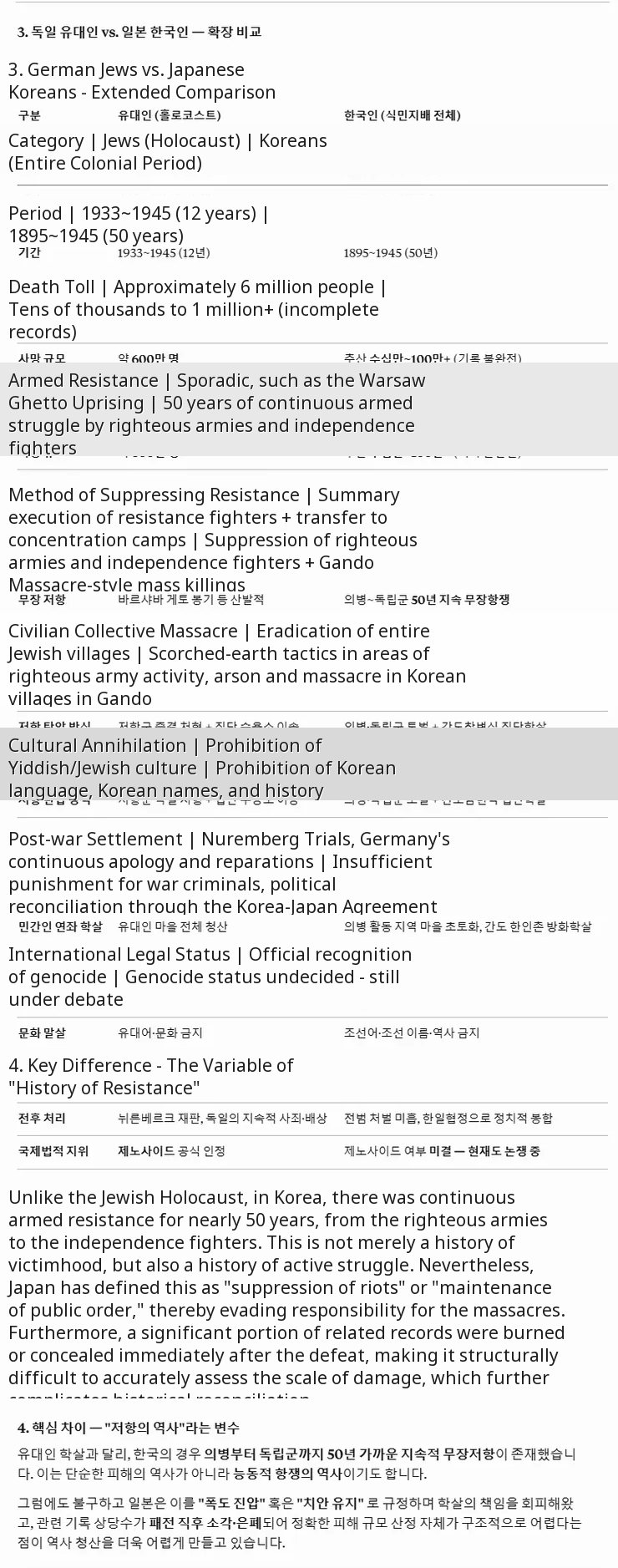
A recent online post has sparked a heated debate among Koreans, asking a provocative question: Does Korea's painful history of suffering grant it a unique moral authority to criticize Israel's current actions? The original author argues that while the scale of Jewish suffering is undeniable, Korea's own experience during the Japanese colonial rule (a brutal 35-year occupation that involved widespread human rights abuses and resource plunder) and the devastating Korean War (which left the peninsula utterly ravaged) also represents immense national trauma. Despite this profound victim mentality – a deep-seated awareness of past injustices – the author points out that Korea chose a different path, not becoming an aggressor but rather a nation that now aids those who once helped it. This, they suggest, gives Korea a stronger moral standing than many to speak out against current international conflicts.
Korean Netizen Reactions
3Honestly, if we go by that logic... then countries that were imperialist powers shouldn't be allowed to criticize anyone? If it's a wrong that goes excessively against international rules, then you cr…
That's their business. It's not for us to criticize anyone. Since it's been settled between the two countries... we should just quietly move on. Minister Cho Hyun said that they fully explained the go…
Go a little further down that road and you get a 'chosen people' mentality... and become like Israel itself.