This deeply personal account of navigating severe illness, both personal and familial, resonates widely in Korea due to its raw honesty about the challenges of caregiving and the healthcare system.
This deeply personal account, part of a series initially titled 'Story of a Small Company,' has resonated with Korean netizens for its raw honesty about navigating severe illness, both personal and familial. The author's journey began with a mysterious full-body ache, fatigue, and dizziness, leading them through various specialized clinics like orthopedics and neurology in their hometown, all without a clear diagnosis. The turning point came when the author accompanied their mother, who was experiencing her own symptoms, to a radiology clinic for an MRI.
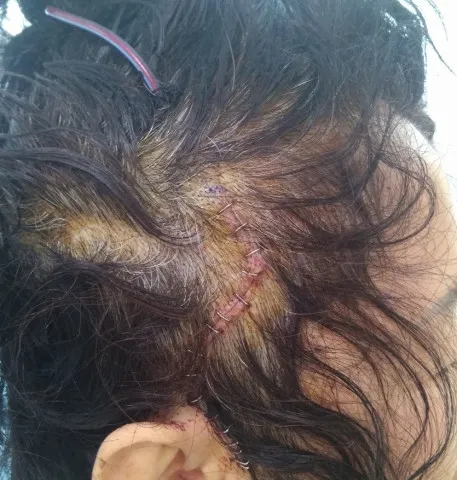
What started as a routine scan quickly escalated into a life-altering moment. The doctor called them in, revealing a 'peach pit-sized' mass in the mother's brain, suspected to be lymphoma. Within days, thanks to the radiology director's quick action, the mother was admitted to a prestigious university hospital in Bundang and underwent brain surgery. The prognosis was grim: a 50% 2-year survival rate, with potential dementia-like symptoms if she survived longer. This devastating news came just over two years after the author's father passed away from lung cancer.
The author's own physical ailments faded into the background as they became their mother's primary caregiver. They recount the challenging two-month hospitalization, feeling like an eternity, and struggling to find sleep in the hot, crowded ward, often resorting to napping on benches outside or in the hospital's basement. After the mother completed radiation therapy, the author finally revisited their own health, eventually receiving a fibromyalgia diagnosis from a rheumatologist, a suggestion from an American-Korean friend. They were prescribed Oxycodone, a strong painkiller, which they cautiously avoided on long drives for their mother's follow-up appointments.
Five years later, the mother miraculously survived her cancer, only to be diagnosed with dementia. The author's poignant reflection, "Wait, isn't this supposed to be a company story, but it's all about Mom?!" perfectly encapsulates the unexpected, overwhelming shift in their life's narrative, a sentiment many Koreans understand when family health crises take precedence.
🇰🇷 KOREAN REACTIONS 6
Whoa, Oxycodone is a narcotic painkiller! You absolutely shouldn't drive after taking it!
@MDLee You're right, I was careful because I felt it was dangerous. Thanks for the warning!
Dementia... it's truly one mountain after another (meaning, one difficulty after another).
So you have fibromyalgia. Coincidentally, a book I'm reading suggests insulin resistance might be a cause. It's called 'Why Do We Get Sick,' and it talks about fibromyalgia patients having trouble with insulin and glucose regulation. Just putting it out there!
@Jjeodegi Oh, that's definitely worth looking into! Thanks! I've been getting blood tests, and while I don't have diabetes, I often get super tired after meals, way more than just a food coma, so I've been wondering if it's a sugar spike. Since then, I switched from white rice to brown rice, and the post-meal fatigue (not the pain) seems a bit better. Definitely worth researching!
You overcame cancer with such difficulty, and now dementia... you're going through so much ㅜ ㅜ I hope you have peaceful days ahead.