
This post is trending because it addresses a very common, relatable household problem that many people struggle with without realizing the cause. It offers practical, easy-to-understand solutions to extend the life of kitchen essentials.
This post originated from 'Guto TV' on DC Inside's 'Singgeulbeonggeul Jigucheon Gallery,' a popular and influential Korean online community. The creator's name, 'Guto' (meaning 'vomit'), is a common type of edgy internet persona in Korea, often used by content creators who aim to be blunt or 'spill the truth' in a humorous way.
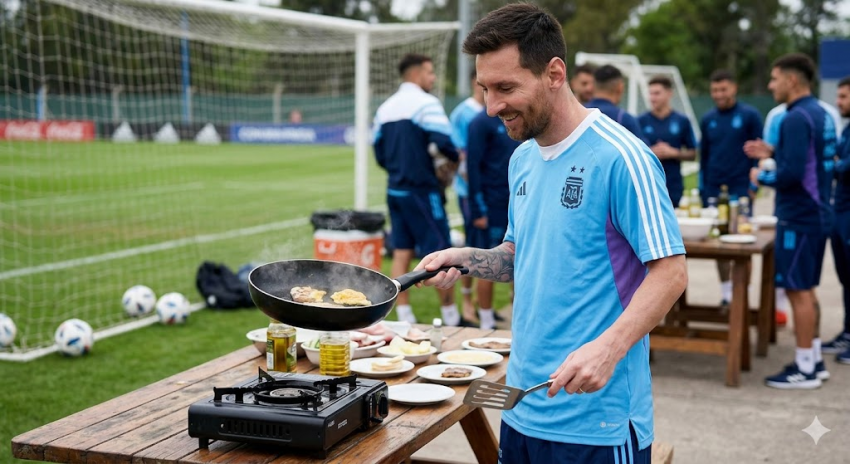
Ever wonder why your non-stick pan isn't so non-stick anymore, or why your stainless steel always glues food down? You're not alone! This viral post from Guto TV is blowing up in Korea because it tackles a super common kitchen woe: we're all probably killing our frying pans without even realizing it.
According to Guto from Guto TV, many of us just assume you crank the heat, throw in ingredients, and call it a day. But here's the kicker: different pans need different preheating methods, and if you get it wrong, your pan will die a premature death before your food even gets a chance. The two biggest mistakes people make are thinking hotter is always better, and believing all pans are created equal. Combine these, and you're looking at a ruined pan, smoky kitchen, and burnt smells just from trying to fry an egg.
To make things simple, think of frying pans in three main categories:
1. **Non-Stick Pans (Coating Pans):** This is the most crucial one! Never preheat an empty non-stick pan on high heat for too long. The coating, designed to prevent sticking, overheats incredibly fast without food to absorb the heat. This leads to the coating breaking down, making food stick and eggs lose their slide. If you're thinking, "Why is my pan so useless these days?" chances are you've been over-preheating it empty on high. For non-stick, a short preheat on medium-low to medium heat with a little oil is all you need. No need for restaurant-style fire shows!
2. **Stainless Steel Pans:** These are the opposite – too little preheating, and everything sticks! Since there's no coating, if you add ingredients before the surface is properly hot, proteins will bond directly to the metal. Many people give up on stainless steel, thinking it's trash, but it's usually just a missed preheating window. Heat it sufficiently, then add oil, and once the oil spreads thinly, add your ingredients. Put meat on a cold stainless pan, and it'll become one with the pan. But don't go crazy either; if you heat it until the oil immediately smokes, you're just making cooking harder.
3. **Cast Iron & Carbon Steel Pans:** These look tough, and they are, but they don't like rapid heating. While they'll outlast non-stick, hitting a cold cast iron pan with high heat will cause uneven heating, leaving hot spots and inconsistent cooking. Especially with thicker pans, it might not look hot on the outside, but one spot could be scorching. The key here is to preheat slowly on medium heat, allowing the entire pan to heat evenly. Cast iron might seem like a brute-force pan, but it behaves best when treated gently and patiently.
**A Universal Warning: Smoke Isn't Always a Good Sign!**
Many people see smoke from the oil and think, "Ah, perfectly preheated!" But that smoke could mean your pan is ready, or it could mean it's *overheated*. Different cooking oils have different smoke points, and once oil starts smoking, the flavor can turn harsh, and your kitchen air quality takes a hit. Don't just blindly aim for smoke; adjust your preheating to the pan type and what you're cooking. Heating a pan until it smokes just to fry an egg is like using a cannon to kill a mosquito.
Preheating isn't some secret chef ritual; it's simply about stabilizing the pan's surface temperature, preventing sticking, and ensuring even cooking. So, your preheating method should change with your menu:
* **Eggs, pancakes, butter-based dishes:** No need for super intense preheating.
* **Searing meat quickly:** Needs sufficient preheating.
* **Sticky ingredients like fish:** Pan type, oil condition, and preheating timing are crucial.
Applying "heat the pan like crazy" to every dish won't make you a better cook; it'll just make you a heat addict. If you're lazy, just remember these basics:
* **Non-Stick:** No long, empty high-heat preheating. Short preheat on medium-low to medium.
* **Stainless Steel:** Don't add ingredients to a cold pan. Heat, then oil.
* **Cast Iron:** Slow, even preheating over rapid heating.
* **Common Sense:** Smoke isn't always the goal. Adjust to the menu. Pans are consumables, but no need to kill them early!
This has been Guto from Guto TV. Thanks!