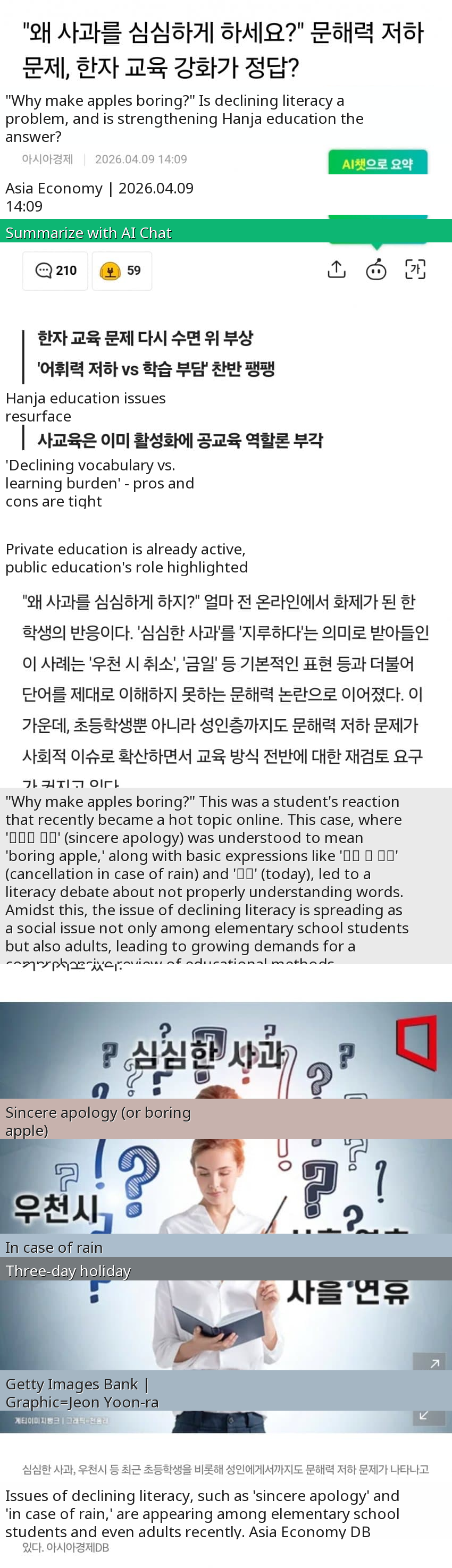
A student's viral misunderstanding of a common Korean phrase as 'boring apology' sparked a public debate about declining literacy among younger generations. This incident reignited the long-standing discussion about the role of Hanja (Chinese characters) in Korean education.
Many Korean words are Sino-Korean, meaning they are derived from Chinese characters (Hanja), even though they are written using the Korean alphabet (Hangul). This historical linguistic connection makes the debate over Hanja education particularly relevant for vocabulary comprehension in Korea.
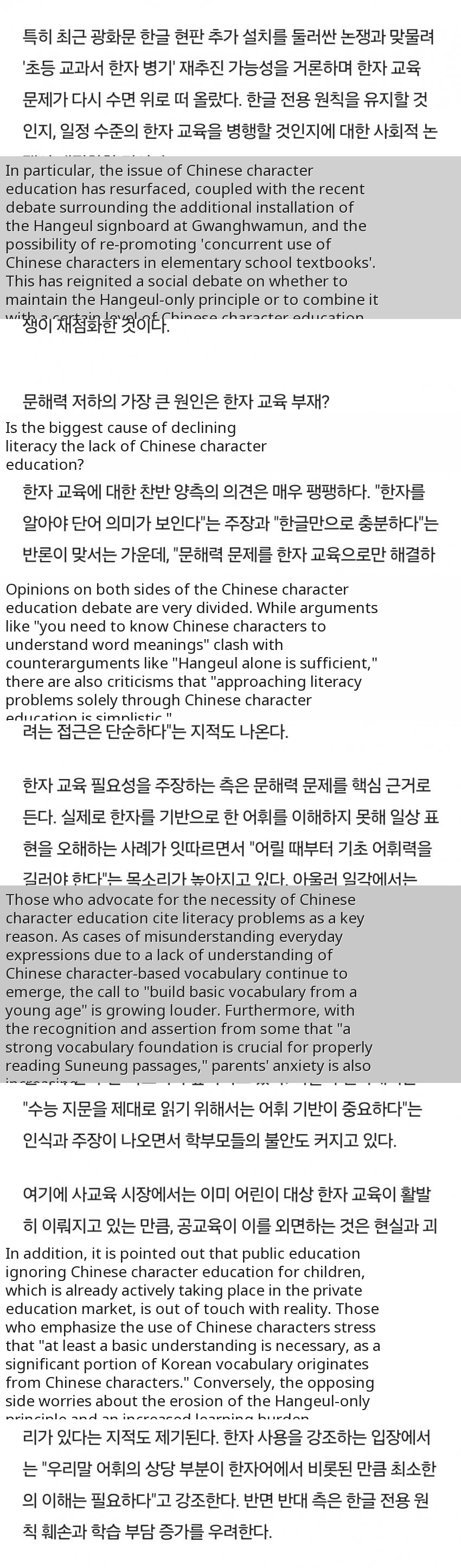
Why are you giving a 'boring' apology? This phrase recently blew up online in Korea after a student hilariously misunderstood a common Korean expression. The term, **심심한 사과 (simsimhan sagwa)**, means a "sincere apology," but the student interpreted "심심하다" as "boring," leading to a viral moment that sparked a nationwide debate. This incident, along with other misunderstandings of basic phrases like "우천 시 취소" (canceled due to rain) or "금일" (today), has fueled concerns over **문해력 저하 (munhaeryeok jeoha)**, or declining literacy, among not just students but even adults.
Now, the spotlight is back on **Hanja (한자)**, or Chinese characters, and whether reintroducing them into elementary school textbooks is the answer. Proponents argue that since a significant portion of the Korean vocabulary consists of **Sino-Korean words** derived from Hanja, understanding these characters is crucial for true comprehension and building a strong vocabulary foundation. They point out that **사교육 (sagyeoyuk)**, or private education, already actively teaches Hanja to children, suggesting that **공교육 (gonggyoyuk)**, or public education, is falling behind. However, opponents worry about undermining the **Hangul (한글)**-only principle and increasing the learning burden on young students. This isn't just a language debate; it's a deep dive into the future of Korean education and how best to equip the next generation.