
This topic frequently resurfaces in Korean online communities as crucial, often-overlooked advice for anyone renting, especially young adults or first-time movers who might not understand the serious financial risks of delaying official address registration.
In Korea, rental deposits (especially 'Jeonse' or large 'Wolse' deposits) can be substantial, making legal protections like Jeonip Singo and Hwakjeong Ilja absolutely vital for tenants to safeguard their money.
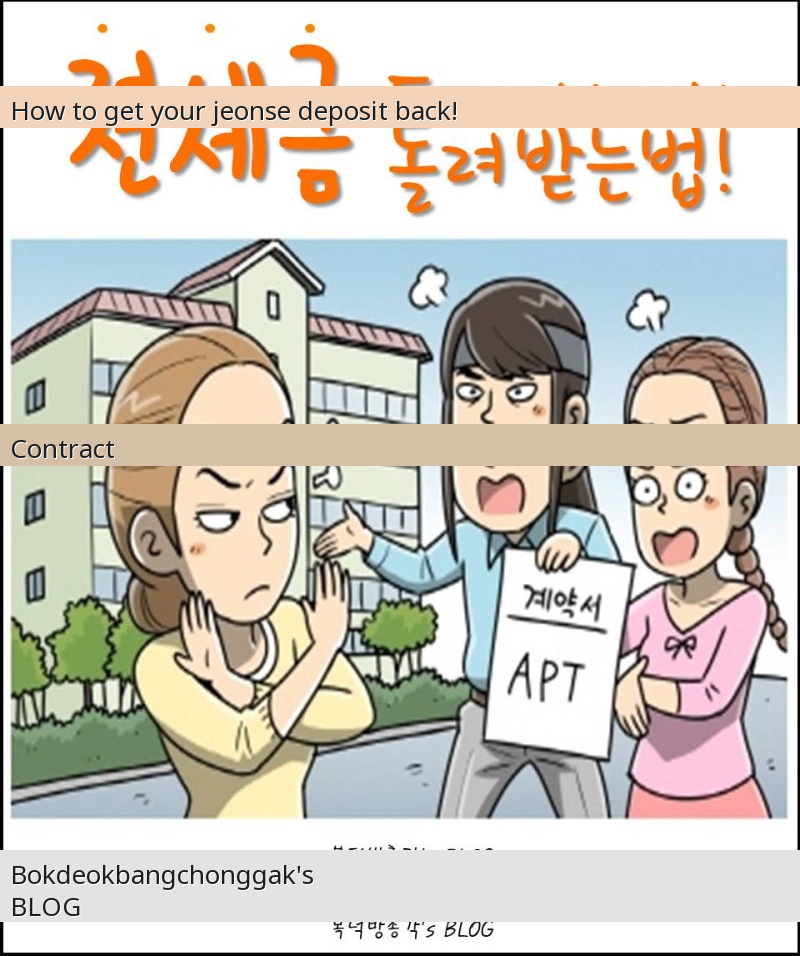
Moving to a new place in Korea can be exciting, but there's one super important step many people, especially first-timers or young adults, often overlook: **Jeonip Singo** (address registration). This seemingly simple administrative task is actually your secret weapon for protecting your hefty rental deposit and unlocking various government benefits. Online communities are constantly reminding people about this because delaying it can lead to some seriously stressful and expensive situations.
So, what's the big deal? When you move into a new place, completing your Jeonip Singo isn't just about updating your address. It's the first step to gaining **Daehangnyeok**, or the 'right of opposition.' This means that from 12:00 AM the day *after* you register your new address and actually move in, your tenancy is officially recognized against third parties. But wait, there's more! To truly safeguard your deposit, you also need to get a **Hwakjeong Ilja** (fixed date confirmation) on your lease agreement. This grants you **Useon Byeonjegwon**, or 'priority repayment rights,' ensuring that if your landlord's property ever goes into auction, you'll be among the first in line to get your deposit back, ahead of other creditors.
Seriously, don't procrastinate! Many people think, 'Oh, I'll do it later,' but every day you delay is a day your deposit isn't fully protected. If you wait three days, your protection starts three days later, leaving a dangerous gap where things can get messy. That's why the common advice is to do your Jeonip Singo *before* you even unpack your bags!
And a word of caution: if your landlord tells you *not* to do Jeonip Singo, that's a huge red flag. They might be trying to evade taxes or have other shady reasons. Your priority is protecting your own money, not your landlord's convenience. Don't fall for promises of a small discount if it means risking your entire deposit.
It's important to note that Jeonip Singo alone doesn't automatically give you Hwakjeong Ilja. For that, you typically need to complete a **Jutak Imdaecha Singo** (housing lease report) and submit your lease contract. Luckily, services like Government24 make these processes much easier than before.
Beyond deposit protection, Jeonip Singo can also open doors to various government support programs, like the **Cheongnyeon Wolse Jiwon** (Youth Monthly Rent Support Program), which can provide up to 200,000 KRW per month for eligible young adults. Plus, if you own a car, remember to update your address with your insurance company after moving. Failing to do so could limit your insurance payouts in case of an accident. So, next time you move, update your address with the government *before* you even change it on your food delivery app!