This detailed review of a special art exhibition is gaining traction among Korean art enthusiasts, offering a rare glimpse into masterpieces from the Joseon Dynasty and beyond, many on loan from major national museums.
The pine tree (소나무, *Sonamu*) holds deep cultural significance in Korea, symbolizing longevity, steadfastness, and integrity, especially in the face of adversity, making it a beloved subject in traditional art.
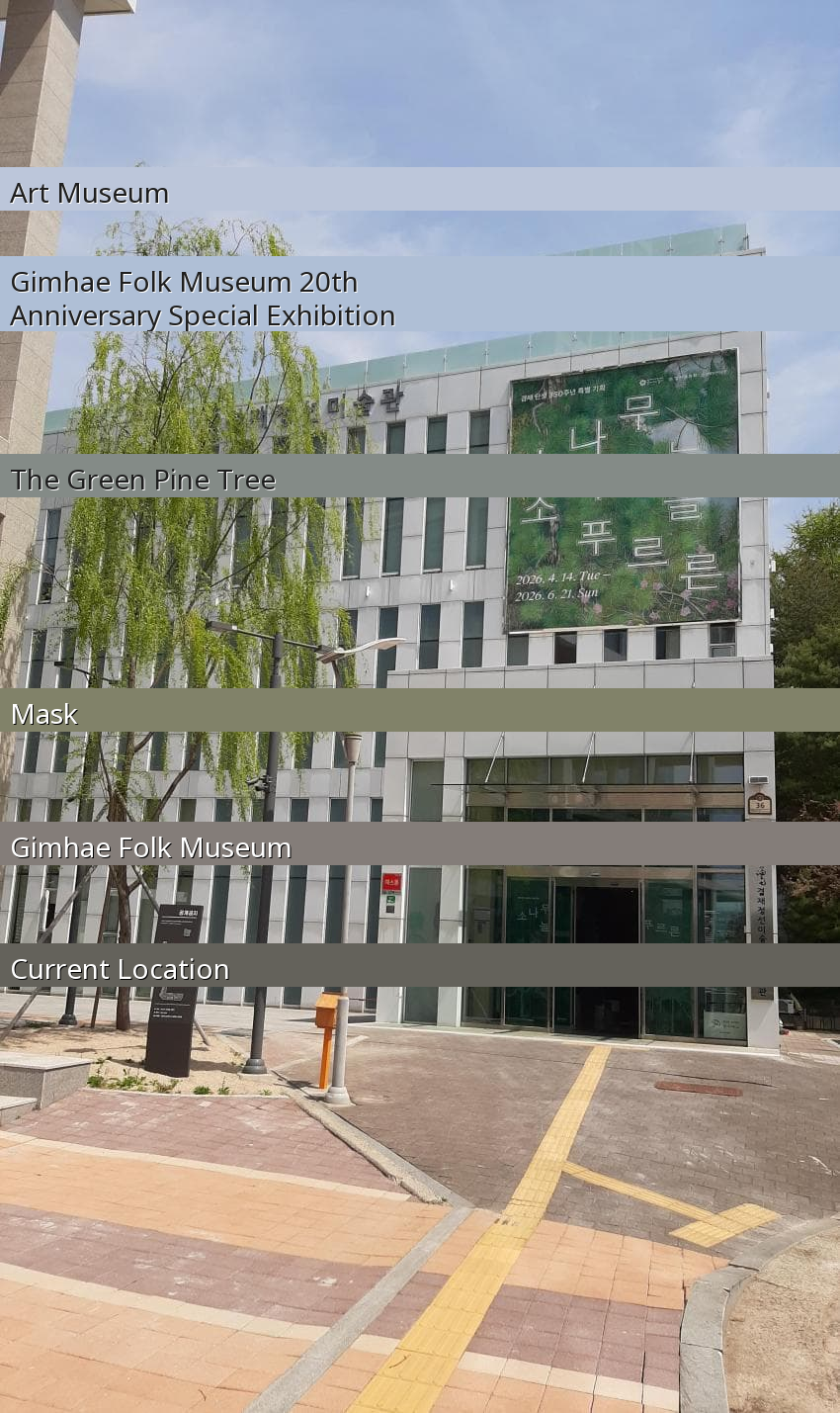
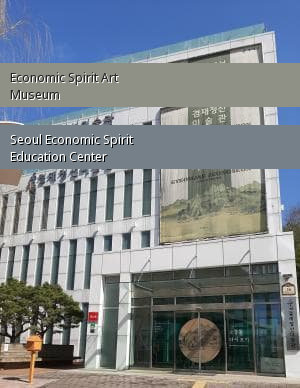
Korean art lovers are buzzing about a special exhibition at the Gyeomjae Jeongseon Museum, which recently opened its doors to a fascinating display centered around the iconic 'Pine Tree' (*Sonamu*). Our intrepid explorer from the 'New Conservative Party Minor Gallery' (a popular online community) revisited the museum to give us an insider's look at this highly anticipated show. This isn't just a Jeongseon exhibition; it's a star-studded lineup featuring masterpieces from renowned Joseon Dynasty artists like Kang Se-hwang, Kim Hong-do, Lee Jae-gwan, Chae Yong-sin, and Kim Eun-ho. Many of these incredible works are on loan from prestigious institutions such as the National Museum of Korea, Seoul National University Museum, Korea University Museum, Leeum Museum, and the National Museum of Modern and Contemporary Art. It's a rare chance to see so many national treasures in one place!
Our guide walks us through some highlights. We start with Kang Se-hwang's 'Old Pine Tree' (*Noseongdo*), a stunning piece by Kim Hong-do's teacher, accompanied by a poignant poem about the pine's unwavering integrity. Then there's Gyeomjae Jeongseon's 'Mugosongyibanhwan,' depicting a scholar contemplating a pine, referencing a famous classical poem. Another Jeongseon piece, 'Sajik Noseongdo,' captures an ancient pine from the historic Sajikdan shrine, even showing the supports used to prop up the venerable tree centuries ago.
The exhibition also features more intimate scenes, like Lee Jae-gwan's 'Osu-do,' showing someone napping, embodying the ideal of escaping worldly concerns. Lee In-mun and Kim Hong-do's collaborative 'Songhadamsodo' portrays two figures chatting under a massive pine, accompanied by a philosophical verse about finding peace in nature. Later works include Chae Yong-sin's vibrant 'Sipjangsaeng' (Ten Symbols of Longevity) and Kim Eun-ho's 'Songnyeonghaksu,' by the last *Eojinhwasa* (royal portrait painter). The post also touches upon works by modern artist Park No-soo, whose museum is located nearby. This exhibition truly offers a captivating journey through the enduring beauty and symbolism of the pine tree in Korean art.