This post is gaining traction in Korea amid ongoing discussions about labor conditions in the aviation industry, particularly following news of mergers between major Korean airline ground handling subsidiaries (KAS and AAP). Koreans are increasingly interested in the hidden workforce behind everyday services they take for granted.
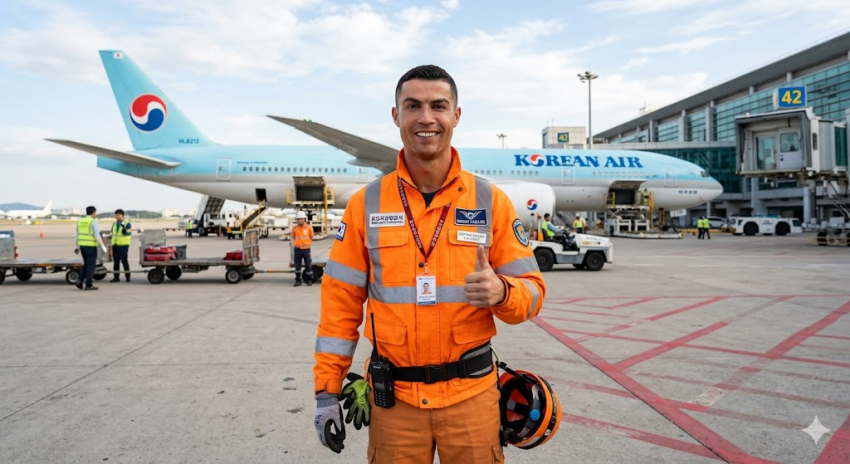
A viral Korean post is shining a long-overdue spotlight on airport ground crew — the workers in fluorescent vests you barely notice through the terminal window. While passengers sip coffee and grumble about boarding delays, these workers are outside in rain, snow, and scorching heat doing a dozen jobs at once just to get your plane back in the air.
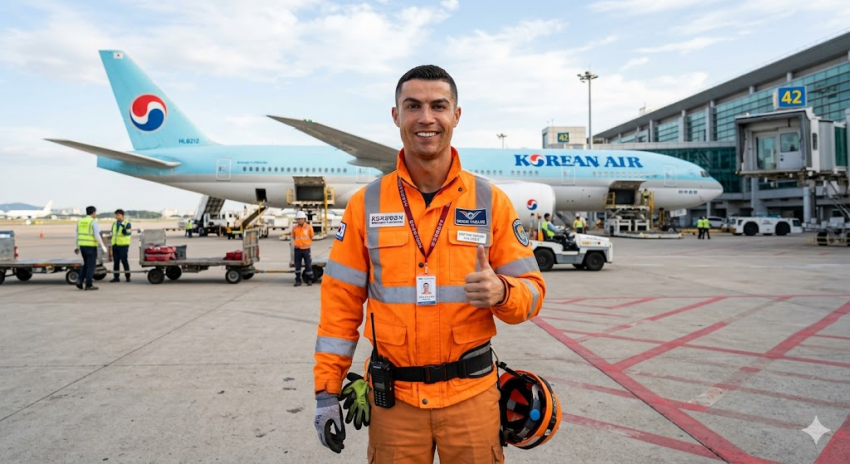
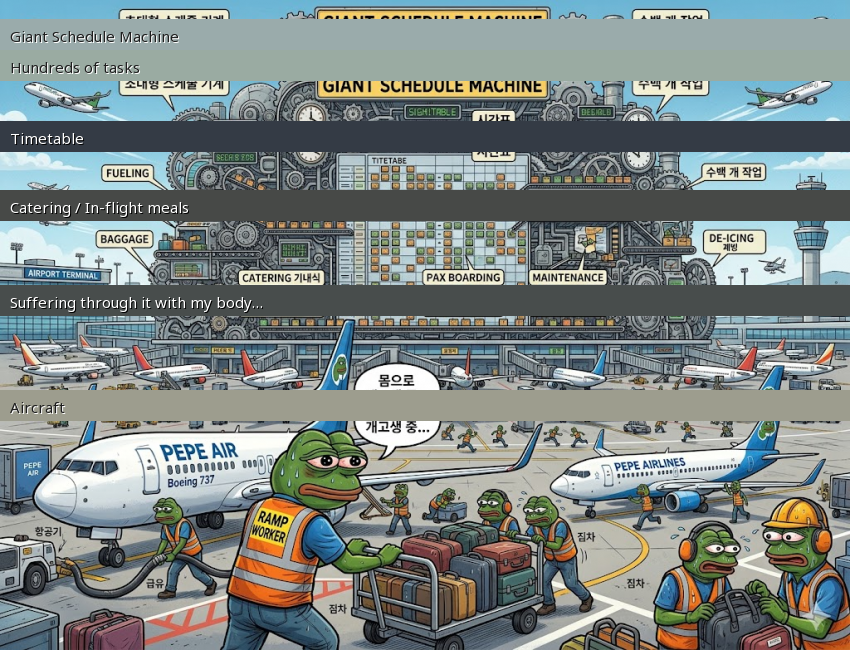
Here's the thing most people don't realize: once a plane lands, it doesn't just sit there looking pretty. It becomes a massive, expensive hunk of metal that needs an army of people to turn it around before its next flight. This process — called a **turnaround** — involves a staggering number of tasks that all have to happen in a brutally short window of time.
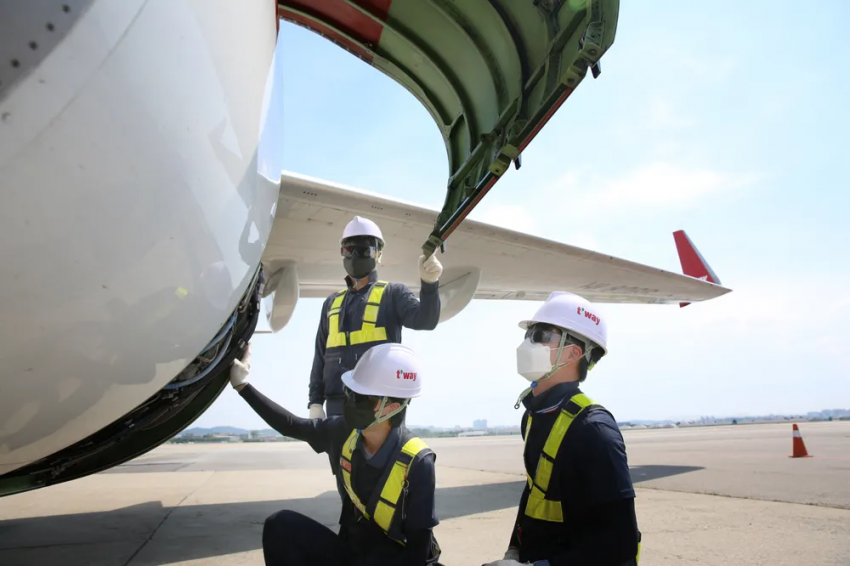
Think about everything that has to happen between a plane landing and taking off again: it needs to be guided precisely into its parking stand, wheel chocks placed, external power connected, hundreds of bags unloaded and sorted, cargo offloaded, the cabin cleaned, fresh water loaded, waste tanks emptied, new baggage loaded by destination and weight, fuel pumped, catering trucks stocked, and then the whole plane physically pushed backward by a tow vehicle before it can even taxi. Every. Single. Flight.
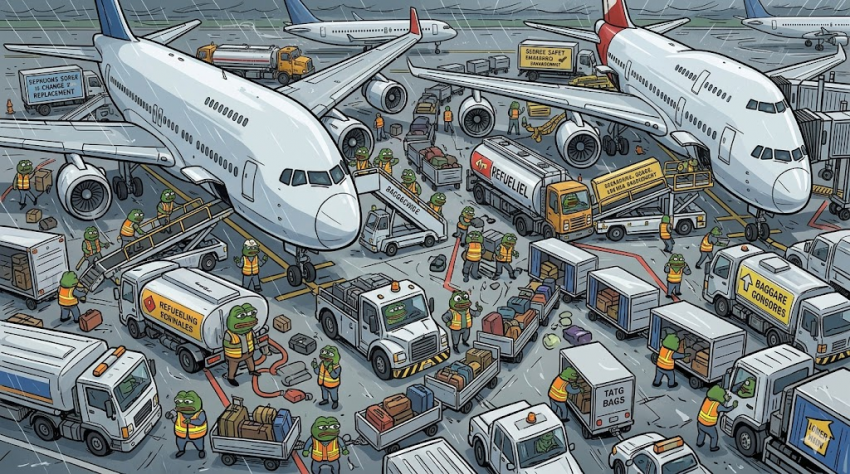
And that baggage operation? It's way more complicated than just tossing suitcases into a hole. Ramp workers are juggling regular checked bags, transit baggage connecting to other flights, priority bags that need to come out first, crew luggage, sports equipment, strollers, wheelchairs, live animal crates, hazardous materials, and urgent cargo — all at the same time, all sorted by destination and weight distribution. Get it wrong and a passenger ends up in Osaka while their bag flies to Fukuoka. Mess up the weight balance and you're affecting the aircraft's flight performance.
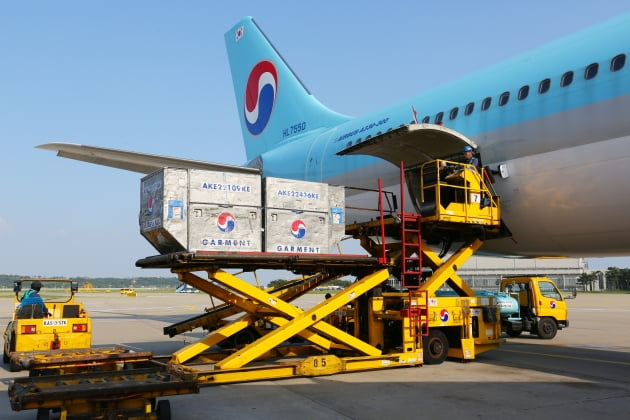
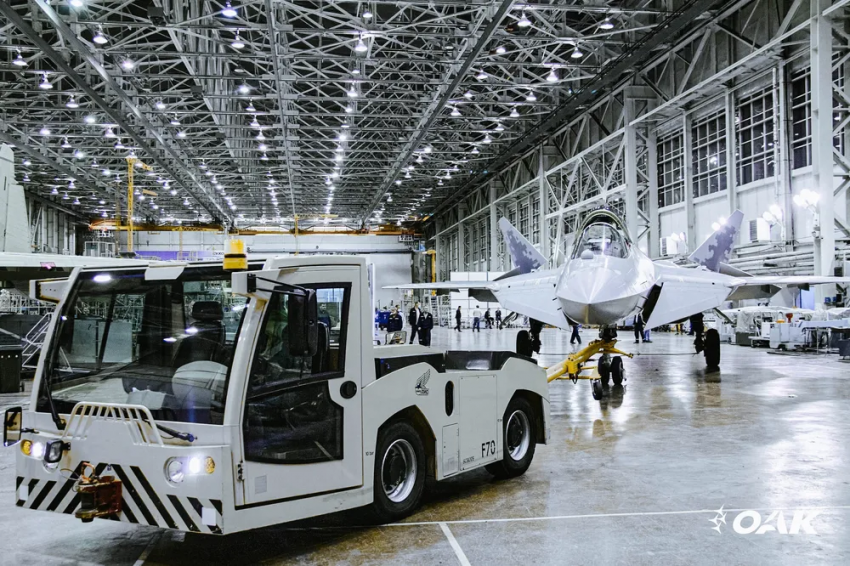
The pushback procedure — where a special tow vehicle called a **pushback tractor** physically shoves the plane backward out of its stand — looks simple from the window but involves a precise multi-step checklist: connecting to the nose gear, communicating with the cockpit, clearing all personnel and equipment, coordinating brake release timing, following a specific path, and avoiding other aircraft and vehicles. One mistake doesn't mean a fender bender — it means a damaged engine or wingtip, an immediate grounding, massive delays, and the story ends up on the news.
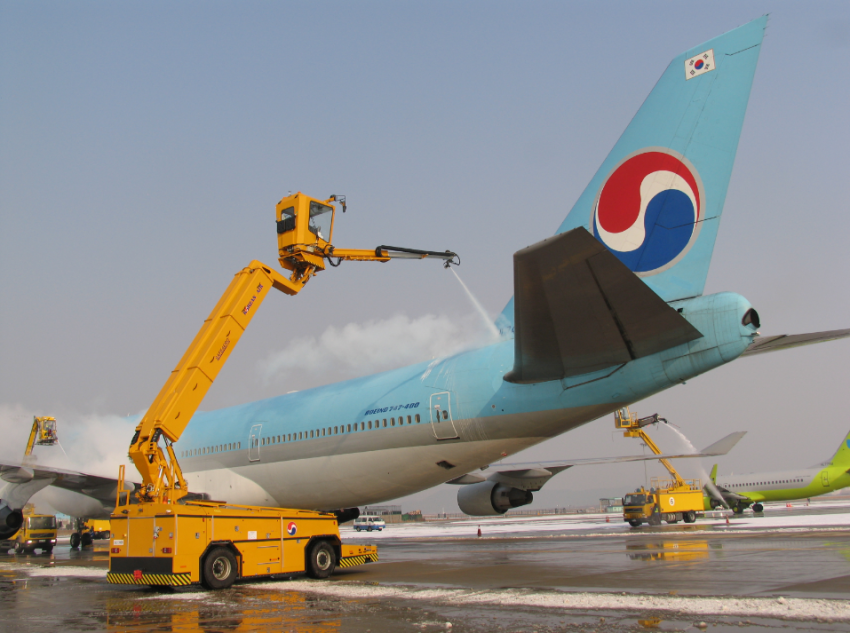
In winter, the ramp crew faces what the original post calls the 'final boss': de-icing. Aircraft wings aren't just flat panels — they're precision aerodynamic structures that generate lift. Ice, snow, or frost on the surface disrupts airflow and can be genuinely dangerous. De-icing crews spray specialized chemicals on the wings, tail, and fuselage before departure, but the timing has to be perfect. Too early and it re-freezes. Too late and the flight is delayed. If snow keeps falling, the whole process might need to be repeated.
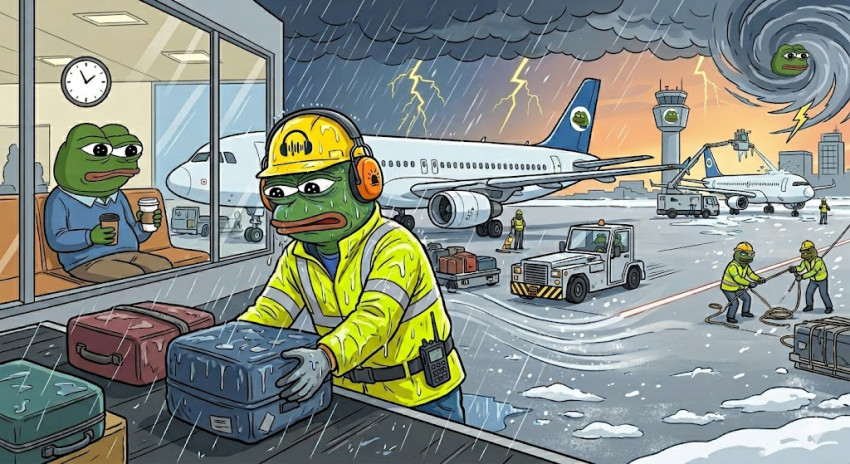
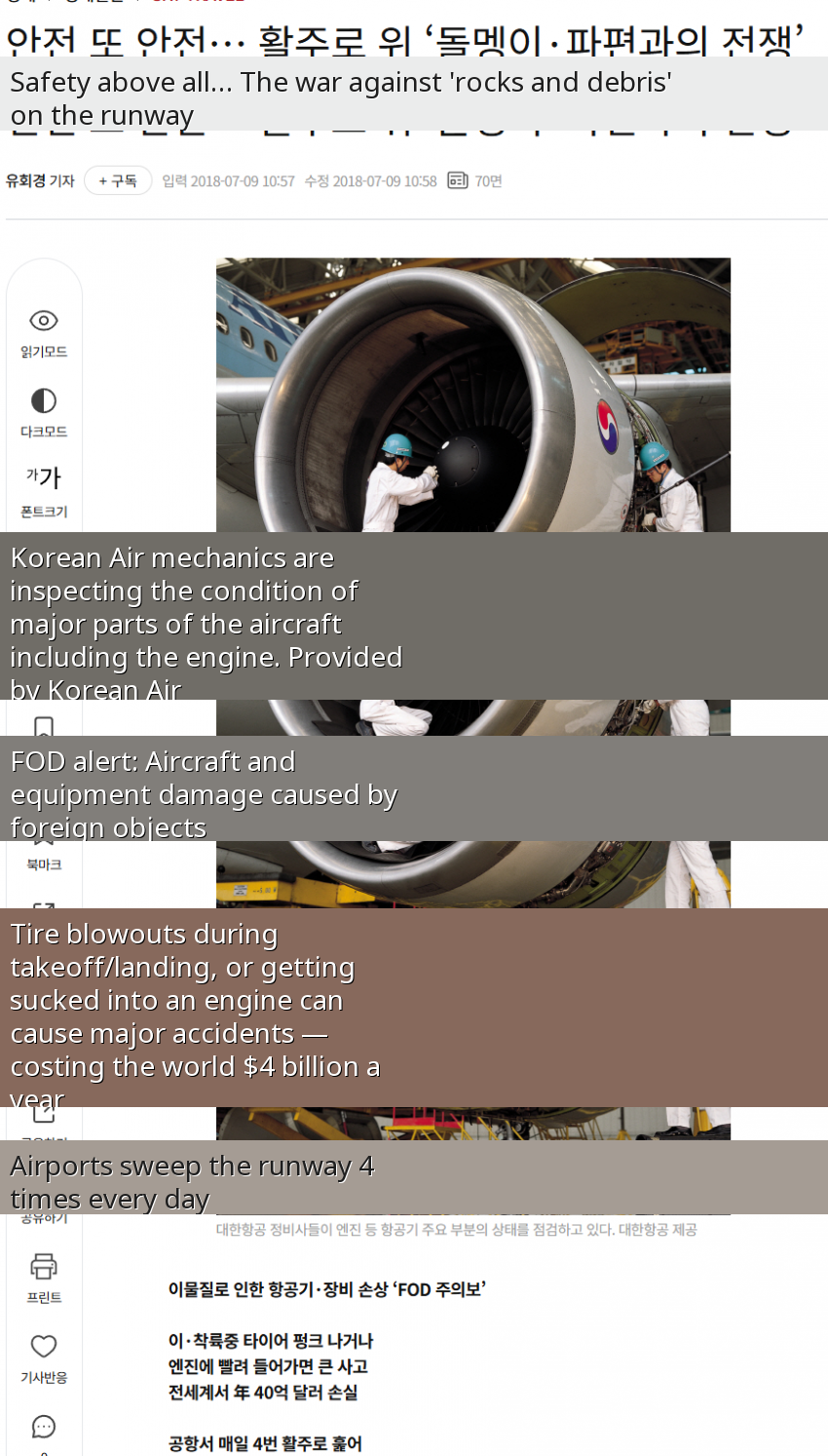
Then there's FOD — Foreign Object Debris. Loose screws, plastic fragments, metal shards, stray tools — anything left on the ramp can get sucked into an engine or blow a tire. So ramp workers aren't just doing their assigned tasks; they're constantly scanning the ground around them while also watching for moving aircraft, fuel trucks, baggage carts, catering vehicles, stair trucks, cleaning vehicles, and other workers — all crammed into the same tight space around the plane.
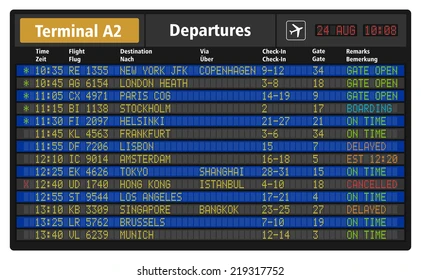
And the ripple effects of any delay are brutal. One aircraft running 10 minutes late cascades into the next flight at that gate being delayed, crew scheduling getting thrown off, connecting passengers missing their flights, transit baggage missing connections, and arrival slot times at destination airports being disrupted. The airport isn't just a place with a lot of planes — it's hundreds of overlapping schedules stacked on top of each other, and ramp workers are the ones holding it all together with their bodies.
The Korean comments on this post are full of current and former ramp workers sharing their experiences — and the consensus is pretty unanimous: it's one of the hardest, most underappreciated jobs in aviation. Low pay, brutal weather, physically demanding, and the entire operation falls apart if they slip up. Next time you're at the airport watching through the terminal glass, those people in the hi-vis vests aren't just loading bags. They're the reason your flight exists.
🇰🇷 KOREAN REACTIONS 10
Worked at Asiana for 10 years — did towing, pushback, marshalling, interphone, baggage, all of it. Not a job I'd recommend to anyone tbh
Still working at AAP (Asiana Airport Service), 20 years in. The marshalling/guidance side is the easier end of the job compared to some of the other departments lol
Can't hack it anymore, quit. Things are chaotic right now — they're merging with KAS (Korean Air's ground handling subsidiary) and people are getting reshuffled everywhere
Pay is terrible for how hard the work is. And it's not just Korea — seems like ramp workers get treated like this everywhere in the world
Apparently you have to wave back when the pilots salute you from the cockpit on the taxiway lmaooo
Was in passenger baggage, got moved to cargo during COVID when passenger flights basically stopped
Drove a tow tractor in the military (they call it a 'tug' in the army) — civilian airport version looks way more stressful
The work itself is similar to port/shipping jobs but the time windows are SO much tighter. Getting all that done in one turnaround sounds absolutely brutal
Some grandma once threw a coin into a turbine engine for good luck. A COIN. INTO A TURBINE.
Former/current workers chatting in the comments is fascinating whoa — yeah this is clearly a brutal job