
Flower Knows' unexpected success in the Korean market, particularly its entry into major platforms like Musinsa and its viral 'princess-core' aesthetic, has sparked a buzz, challenging K-Beauty's long-standing dominance and surprising many with C-Beauty's rising quality.
For a long time, 'Made in China' often carried a connotation of lower quality in Korea, making Flower Knows' premium positioning and successful market entry a significant shift. Musinsa and Chicor are prominent fashion and beauty retailers, signifying mainstream acceptance, while 'princess-core' offers a bolder aesthetic compared to K-Beauty's typically natural look.





A surprising shift is happening in the Korean beauty market as Chinese brands, backed by significant capital, are making their mark. What's truly catching Koreans off guard is that these aren't the 'cheap and cheerful' products of the past; they're high-quality, well-marketed, and increasingly popular. One brand, in particular, has everyone talking: Flower Knows.
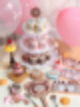
Initially, many Koreans, including myself, mistook Flower Knows for a new K-Beauty brand due to its incredibly successful marketing blitz. Last year, it held a massive pop-up store right outside Seongsu-dong Station Exit 3, drawing an astonishing 27,000 visitors and selling out products. The brand's aesthetic is pure 'princess-core' – think ornate, fairytale-inspired packaging that instantly grabs attention. It's so visually stunning that it evokes comparisons to brands like Anna Sui, but with an even more extravagant flair.
Flower Knows has strategically targeted Gen Z, who are absolutely obsessed with its luxurious, collectible packaging. These products are quickly becoming 'Deung-gol-breakers,' highly coveted items that teenagers beg their parents for. The brand has made significant inroads into the Korean market, becoming the first Chinese brand to officially enter Musinsa, a major online fashion and lifestyle platform. It's also expanding its reach through other key e-commerce channels like Chicor, Kakao Gift, and Naver Brand Store.
Breaking the old stereotype of 'Made in China' equaling low quality, Flower Knows has built a premium image with its intricate embossed designs and vibrant pigmentation. A key to its success? The brand leverages Korean OEM/ODM manufacturers like Kolmar and Cosmax, alongside Chinese producers, to ensure high product quality and build trust among Korean consumers.
So, how do the products actually perform? User reviews give the design a resounding 200% satisfaction, while quality scores around 85%. The packaging is consistently praised for being even more gorgeous and substantial in person, though perhaps a bit too bulky for everyday carry. While the built-in brushes and puffs are often rated as average, the powder blushes and shadows are lauded for their fine particles and blendability, despite some minor fallout. Lip glosses and tints also receive high marks for their clear color payoff, though they require multiple layers for intense pigmentation – a feature that some see as a drawback, but others appreciate for allowing beginners to build up color gradually.
C-Beauty's rise is undeniable. Chinese cosmetic imports to Korea are surging, with an 84% increase last year alone. Global promotion via platforms like TikTok and Instagram has been a game-changer, and C-Beauty's embrace of bold colors and elaborate packaging – a contrast to K-Beauty's often more natural aesthetic – is a major draw. While concerns about ingredient safety for 'Made in China' products persist, those distributed in Korea must comply with KFDA standards, gradually improving consumer confidence. Flower Knows is just one player; other C-Beauty brands like Judydoll, Into You, and Florasis are also entering the fray, setting the stage for fierce competition in the mid-to-low-priced color cosmetics market. K-Beauty, it's time to pay attention!