This topic is trending as a recent online post brought to light the shocking historical practice of 'hereditary human sacrifice' in the ancient Silla kingdom, sparking disbelief and intense discussion among Korean netizens.
Silla was one of the Three Kingdoms of Korea, known for its unique 'bone-rank system' (골품제) which rigidly dictated social status and even marriage, making the discussion of its practices particularly intriguing to Koreans.
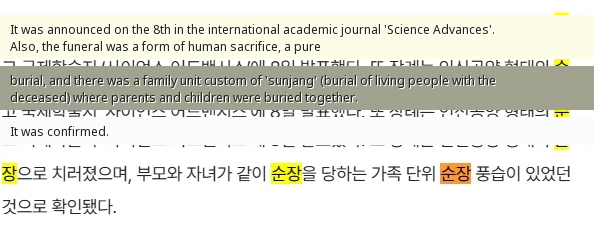
A recent viral post on a Korean online community has unearthed a truly shocking historical fact about the ancient kingdom of Silla: 'hereditary human sacrifice,' or *sunjang*. While Silla is already known for its controversial practice of royal incest, netizens are finding this systematic, generational sacrifice of entire families—parents and children buried alive together—even more disturbing. It's no wonder that even Confucius reportedly detested the practice of human sacrifice, but the idea of it being passed down through generations is a whole new level of messed up. This brutal practice, alongside the rigid *bone-rank system*, paints a picture of a society far more extreme than many imagined.
Korean Netizen Reactions
7So, who carries on the family line then?!
Wasn't it like a 'Crusader Kings' strategy to just funnel everything to one kid?
It seems like if the father was sacrificed at the last funeral, then the child would be sacrificed at the next. Then the child's child... A system where the sacrifice target is fixed and hereditary, w…
Back then, people had 4-5 kids, and since property went to the eldest anyway and the rest were discarded, maybe one or two remaining kids were taken along in the name of filial piety.
"It's possible that 'hereditary status of the sacrificed' operated, where people were sacrificed across generations for specific ruling families." You're right!
Among the Three Kingdoms, Silla seems to have been the most messed up. The bone-rank system was like a caste system.
Damn, this is truly a fate where you shouldn't have kids.