This post is going viral in Korea because it highlights a stark contrast between Korea's relatively stable energy prices (due to government intervention) and the severe global crisis, serving as a wake-up call for a potentially delayed but inevitable impact.
The reference to 'jjajangmyeon bowls' (짜장면그릇) evokes a nostalgic image of traditional ceramic bowls used for delivery, which were returned to the restaurant, contrasting with the modern reliance on disposable plastic containers.
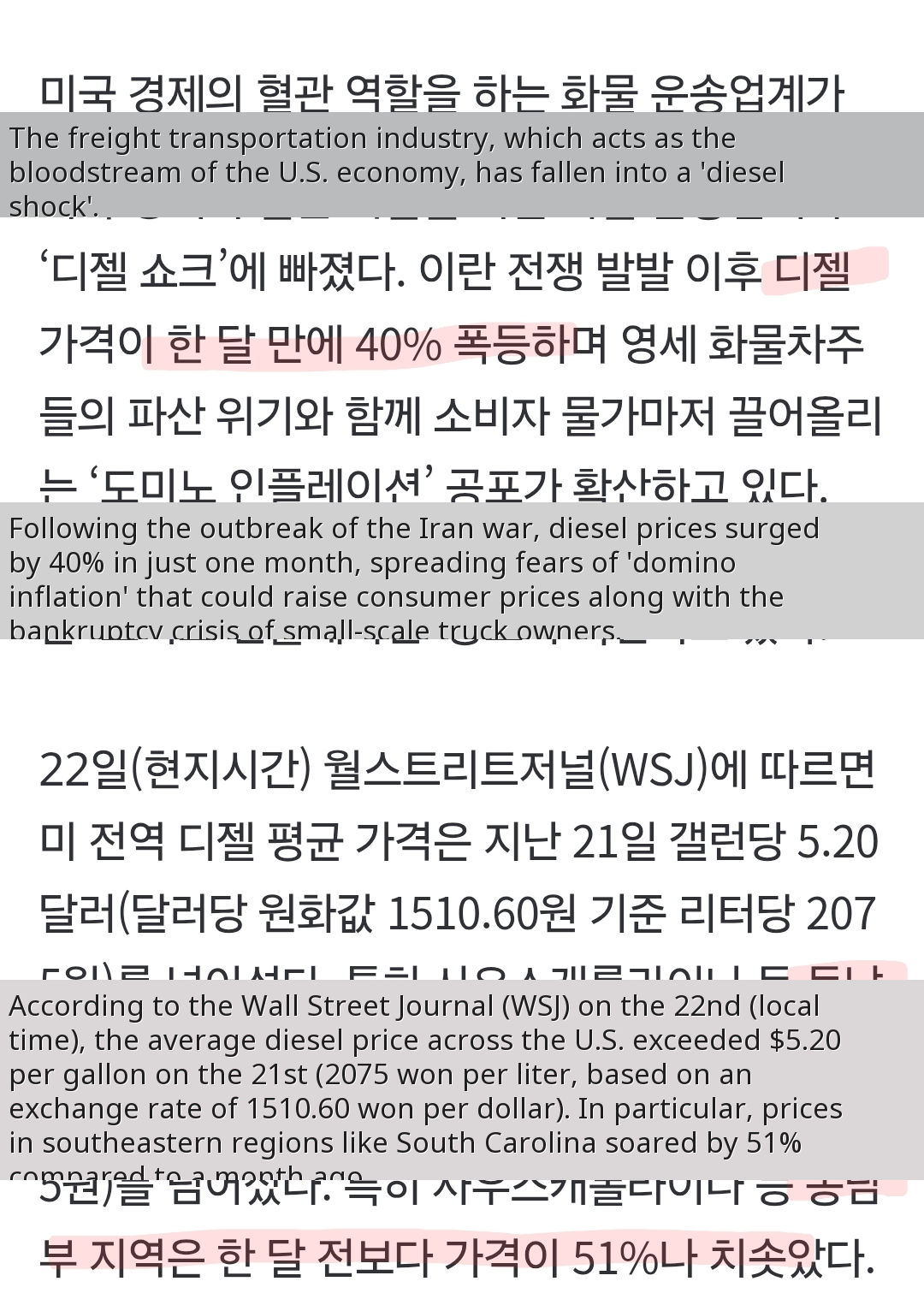
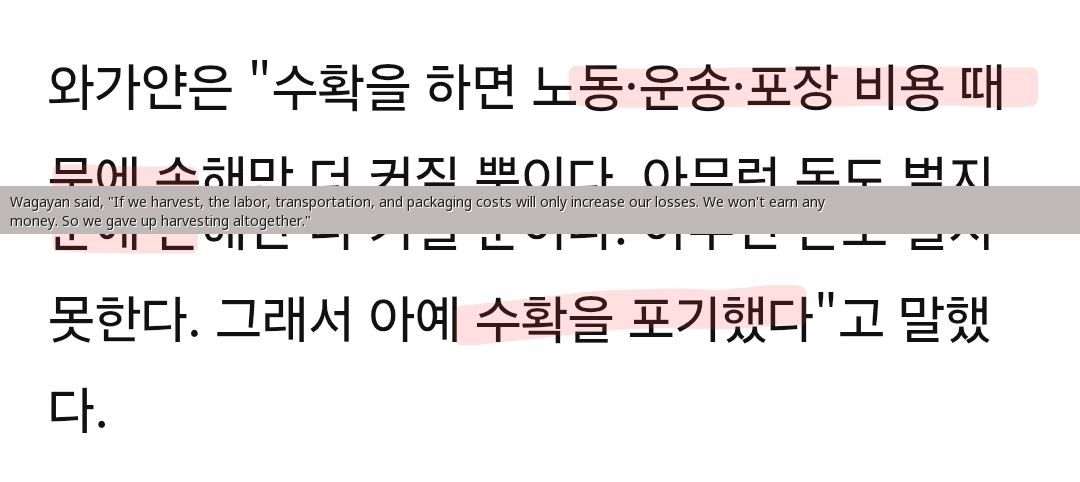
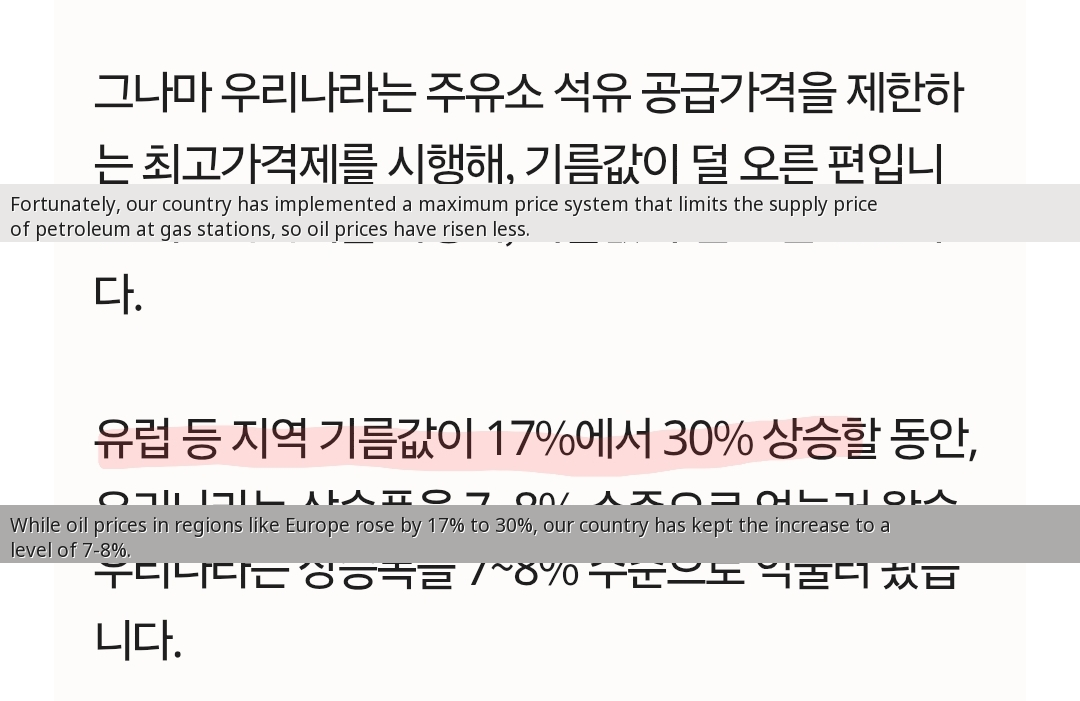
While the world grapples with an unprecedented energy crisis, many Koreans are surprisingly chill about it—for now. A viral post on a Korean online community is sounding the alarm, pointing out that government-imposed price caps on gas have largely shielded the nation from the dramatic hikes seen elsewhere. While Europe is seeing 17-30% increases and the U.S. is reeling from 40-51% jumps (even leading some American farmers to abandon crops due to fertilizer costs), Korea's gas prices have only climbed a modest 7-8%.
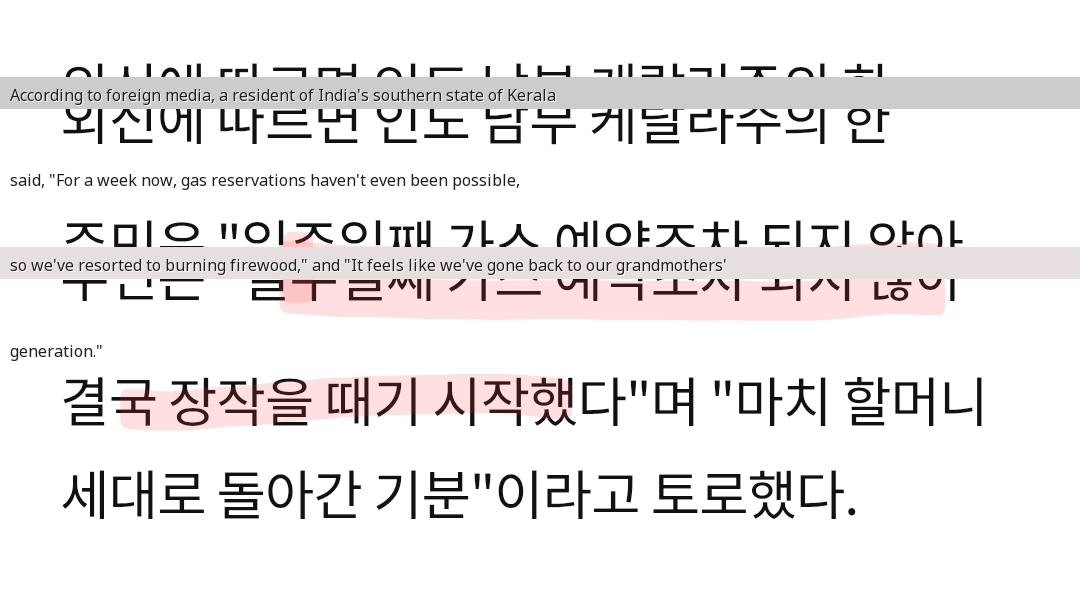
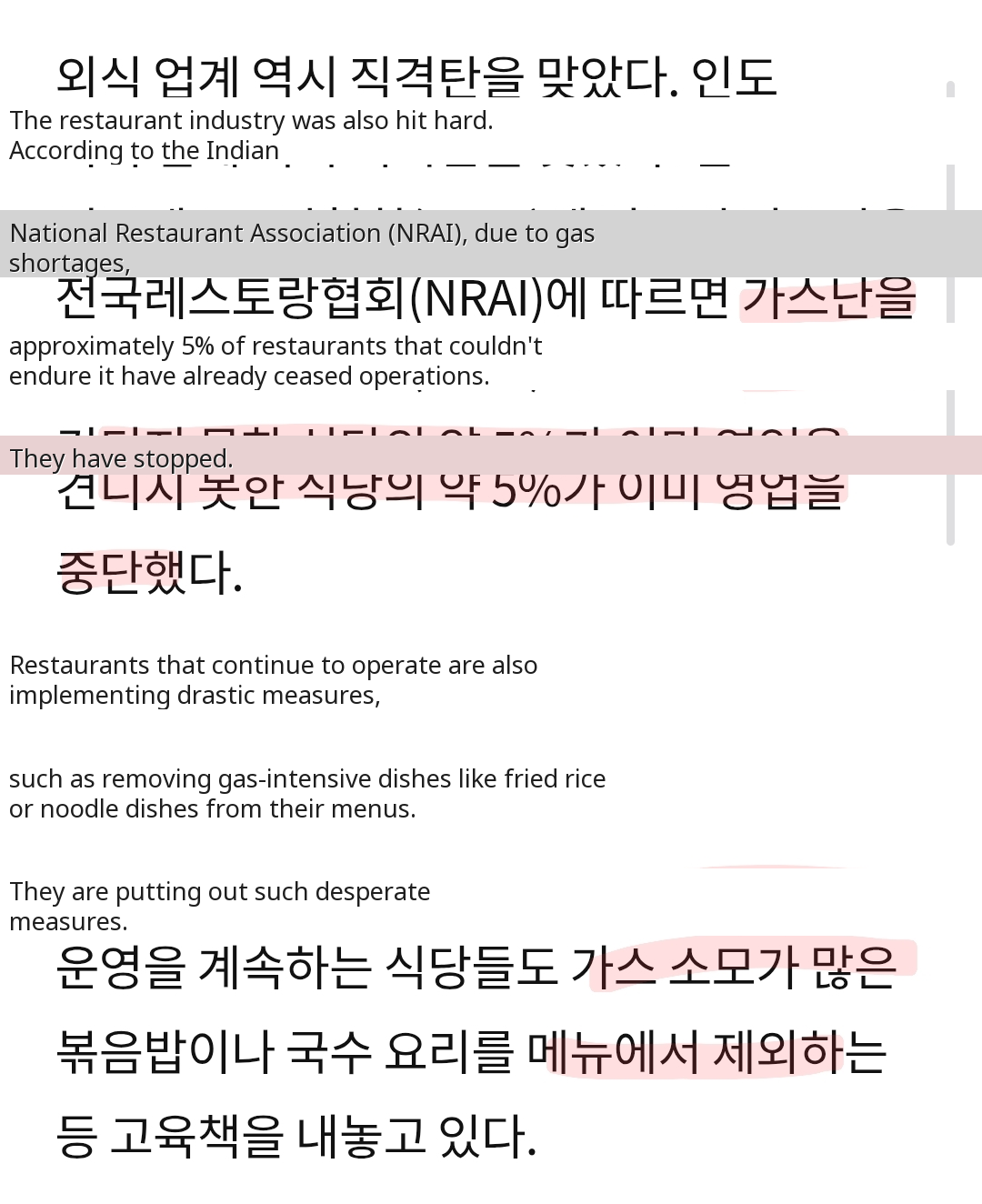
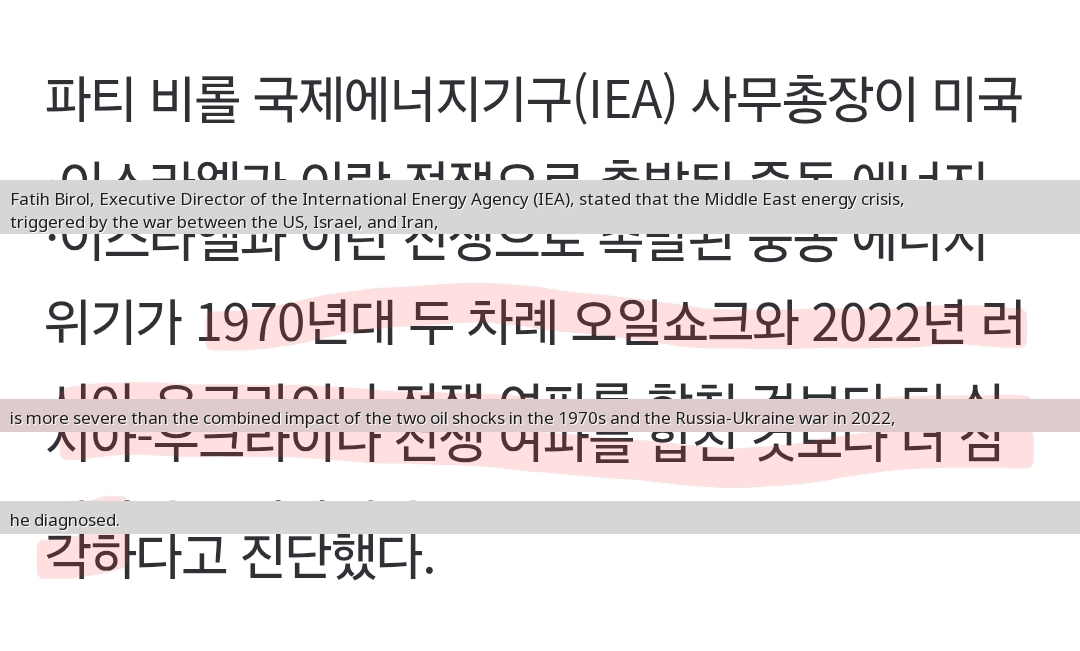
But this calm is deceptive. The post highlights the dire global situation: Southeast Asian farmers are giving up harvests, and in India, 5% of restaurants have shut down, with many resorting to burning firewood. The International Energy Agency's executive director has even declared this crisis "more severe than the combined impact of two oil shocks and the Russia-Ukraine war," calling it the biggest oil shock in Earth's history. We're living through textbook-worthy history, folks!
The post warns that Korea's immunity won't last. Plastic raw material prices are already up 40%, causing factories to slow production. This means higher prices for delivery items, and we might even see a return to the old days of reusable jjajangmyeon bowls instead of disposable plastic containers. Essential medical supplies and medicine packaging could also face shortages. If this crisis drags on, it could spiral beyond the government's control, though there's talk of a supplementary budget for naphtha and securing deals with Middle Eastern countries to mitigate the impact.